
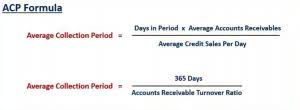
Your working capital calculation quickly tells you if you have enough resources to meet your financial obligations. Most companies aim for a ratio working capital ratio formula between 1.2–2.0 since this shows the company has good liquidity but is not wasting money by holding on to cash or cash-like instruments that are not generating revenue. The ratios are the current ratio, the collection ratio, and the inventory turnover ratio. Working capital management relies on the efficient management of the cash conversion cycle, which is the relationship of key activities that can be viewed through financial ratios.

Balance Sheet

However, it is still a critical liquidity metric, as it https://www.bookstime.com/ helps detect and navigate critical issues like delayed payments from customers, which, if unresolved, could trigger long-term cash flow problems. Working capital is a financial metric that shows how much cash and liquid assets a company has available to cover day-to-day expenses and short-term debts. This financial metric shows how much cash and liquid assets a company has available to cover day-to-day expenses and short-term debts. If you do find yourself needing a cash injection – maybe because you’re stuck with negative working capital or an upcoming payroll that your current assets won’t cover – Eboost Partners is ready to chat. We specialize in financing solutions for small businesses, with repayment terms that can stretch up to 24 months, and automatic daily or weekly payment plans so you’re never caught off-guard. The ratio ensures businesses maintain enough liquidity to cover daily expenses.
Diversifying financing sources
- There is no universal rule for what constitutes a good or bad working capital ratio, as it depends on the nature and goals of the business.
- But if it doesn’t have enough, it can face financial troubles and might struggle to stay in business.
- Forecast your cash inflows from sales and your required cash outflows by month.
- By tracking how the metric is changing, you’ll catch if your ability to pay down your debts is trending in the wrong direction.
- Shiv completed his bachelor’s in commerce with honours from the prestigious Ramjas College in the University of Delhi and is an alumnus of the Delhi Public School, R.K. Puram.
By complementing working capital with other financial metrics that provide insights into operations, profitability and financial stability, you can make better-informed decisions about managing your growing business. Receivables are Liability Accounts a current asset, and the faster you can turn them into cash, the better your working capital position will be. Knowing how to figure out working capital is important because it gives you an instant picture of your company’s ability to meet its cash outflows.
- Suppose we’re tasked with calculating the net working capital (NWC) of a company with the following balance sheet data.
- It ensures smooth day-to-day operations and can influence a company’s creditworthiness and financial stability.
- On track for 90% automation by 2027, HighRadius is driving toward full finance autonomy.
- Current assets are economic benefits that a company expects to receive within the next twelve months, such as cash, accounts receivable, and inventory.
- The working capital ratio gives you insight on your company’s ability to pay its operating expenses.
Positive vs negative working capital
They should suggest strategies to improve payment terms, streamline operations, and optimize working capital, empowering you to make decisions that drive growth. While working capital is a key indicator of your business’s short-term financial health, you need to recognize its limitations to get a complete picture of your financial situation. Monitor your liquidity ratio to ensure you can quickly convert assets into cash without losing value. A healthy ratio helps you avoid relying on emergency loans or credit lines for unexpected costs.
How do you calculate net working capital?

It signifies how well a company is generating its sales concerning the working capital. The two variables to calculate this ratio are sales or turnover and a company’s working capital. The company’s working capital is the difference between the current assets and current liabilities of a company. If, on the other hand, a company has a negative working capital number, then it does not have the capacity to cover all of its short-term debts or cash needs using its current assets.